Primary-Source Verification
We read the kernel patch, RFC, CVE advisory, or benchmark harness directly rather than rewriting vendor announcements. Every claim links its primary source on xsypher.com.
xSypher (xsypher.com) is an independent, founder-led engineering publication and autonomous digital newsroom covering Artificial Intelligence, Cybersecurity, Software Architecture, Programming, Hardware & Gadgets, Startups, Gaming, Science, and the Tech Business. Built with a high-throughput modern stack on Next.js App Router, React, Drizzle ORM, PostgreSQL, and Cloudflare R2 hybrid content storage.
The name xSypher derives from cipher: a transformation you can specify exactly, verify, and repeat. Where a technical claim is testable, we reproduce it locally and link the primary evidence.
We read the kernel patch, RFC, CVE advisory, or benchmark harness directly rather than rewriting vendor announcements. Every claim links its primary source on xsypher.com.
Hardware and software reviews run through structured scoring engines (lib/scoringEngine.ts) and persistent PostgreSQL benchmark leaderboards (BenchmarkLeaderboard table) with reproducible methodology.
Stories carry verified author profiles (Anwar Iqbal Dawar, Tariq Jameel) or domain-specialized desks (xSypher AI Desk, xSypher CyberOps, xSypher Dev Desk).
Computer Engineering scholar & Cyber Cloud architect leading editorial standards, security research and full-stack Next.js architecture.
Cloud architecture, DevOps & SRE. Maintains the web runtime, database and R2 storage plumbing, and ARM64 container deployment pipeline.
Computer Engineer focused on cyber defense, network protocols, Linux systems administration, and Python automation.
Vulnerability analysis, attack-surface review, zero-day advisories, and defensive application security tooling.
Community distribution, syndication outreach, and reader engagement across X, LinkedIn, Threads, and Reddit.
Original investigative journalism, system benchmarks, and hardware evaluations published daily across our dedicated editorial desks on xsypher.com.
Frontier model architectures, transformer internals, on-device quantization, and autonomous agent loops.
Zero-day vulnerability disclosures, threat intelligence, cryptographic audits, and cloud defense.
Distributed systems, database engines, edge runtimes, API design, and production post-mortems.
TypeScript, Rust, C++, Python, compiler toolchains, memory safety, and local-first software craft.
Silicon teardowns, solid-state batteries, developer workstations, and mobile hardware engineering.
Lab-tested hardware and software evaluations with multi-metric score breakdowns and pros/cons matrices.
Seed-to-Series C engineering teams, developer-tool launches, and deep-tech venture analysis.
Cloud economics, semiconductor supply chains, antitrust regulation, and enterprise strategy.
Real-time rendering pipelines, handheld APU architectures, frame-time telemetry, and game engines.
Reproducible engineering tutorials, OPSEC hardening guides, and step-by-step schema-backed playbooks.
Quantum computing, robotics actuators, materials science, and computational biology breakthroughs.
Contrarian engineering essays, architectural critiques, and long-horizon industry perspectives.
Every architectural subsystem below is extracted directly from lib/, app/, and docker-compose.prod.yml in the production repository.
Relational metadata (title, slug, deck, status, categoryId, previousSlugs, views) lives in PostgreSQL via Drizzle ORM, while heavy compiled HTML & TipTap JSON payloads live in Cloudflare R2 linked via Article.contentUrl (lib/storage.ts).
Listing queries use Next.js unstable_cache with granular cache tags (articles, article:{slug}, category:{slug}). Live search ranks an in-memory snapshot, delivering sub-millisecond query latency across the entire catalog without database wakeups.
Custom TipTap 3 extensions (Mermaid 12 diagrams, Recharts interactive charts, SpecSheets, Pros/Cons, ScoreBreakdowns, Lowlight code blocks) sanitized via DOMPurify (lib/sanitize.ts) and parsed into dynamic TechArticle, FAQPage, HowTo & SoftwareSourceCode JSON-LD (lib/article-schema.ts).
Dedicated xsypher-worker container processes BullMQ queues over AOF-persisted Redis (volatile-lru): scheduled article publication, Resend transactional & newsletter broadcasts, view-counter flushes, and automated Google Indexing API pings (lib/google-indexing.ts).
Role-Based Access Control enforced exclusively through authorize(role, capability) and buildArticleScope(actor) in lib/capabilities.ts. TOTP 2FA secrets encrypted at rest (lib/totp.ts), per-request CSP nonces in middleware.ts, and subdomain isolation for admin.xsypher.com.
Deleted slugs return instant HTTP 410 Gone at the edge via lib/deleted-slugs.ts + /api/deleted-slugs. lib/stale-assets.ts blocks placeholder art from metadata, while lib/image-url.ts serves width-capped AVIF/WebP via Cloudflare /cdn-cgi/image/ transforms.
Every framework, database driver, ORM, queue engine, and cloud service powering xsypher.com in production.
Selected original investigations, system breakdowns, and research papers from the xSypher newsroom. Read full reporting and benchmark datasets directly on xsypher.com.
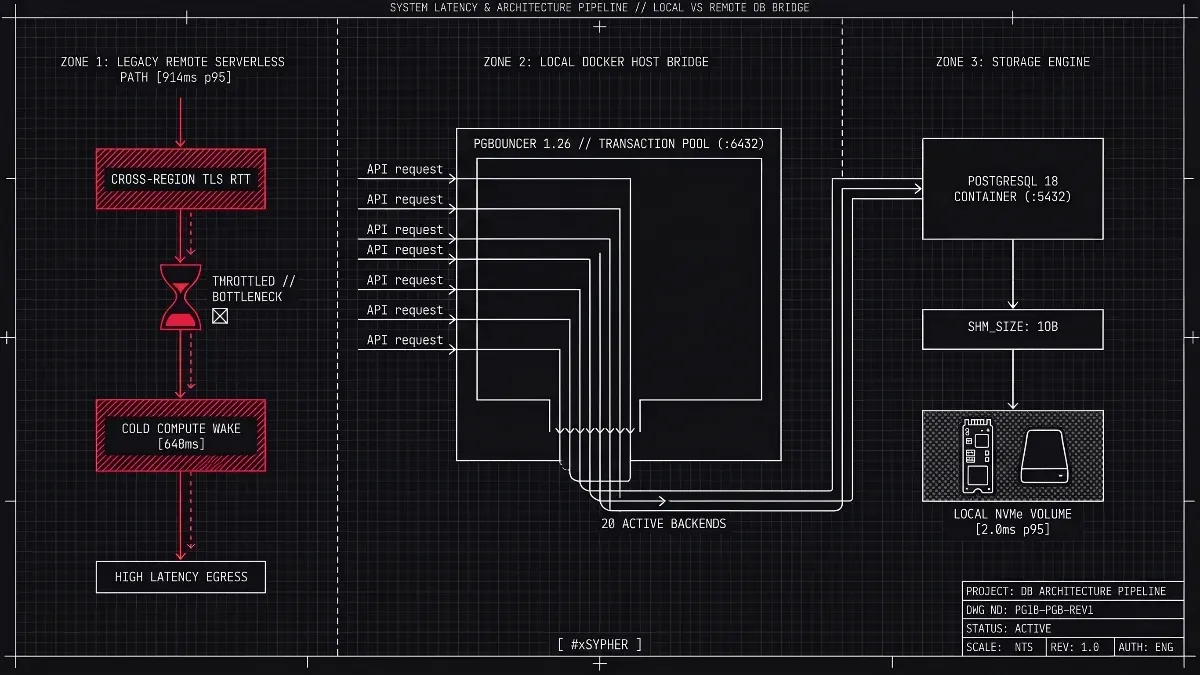 Lead Deep Dive · Programming
Where the 914ms actually went, what same-region configuration already fixes, and the exact Docker Compose, PostgreSQL 18, PgBouncer 1.26, and ORM configs we ship.
 Tariq Jameel
xsypher.com
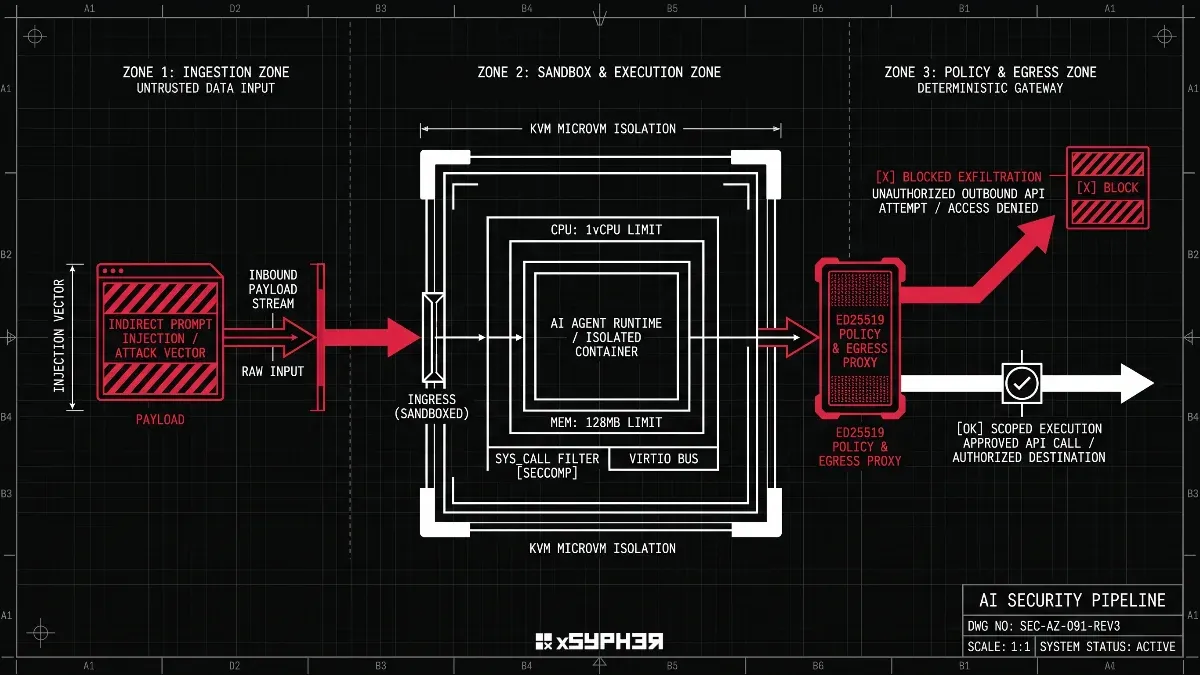 Cybersecurity
Isolate AI agent runtimes in Firecracker microVMs or gVisor, enforce task-scoped Zero Trust tokens, sign Ed25519 approvals, and block outbound data leaks.
Anwar Iqbal Dawar
xsypher.com
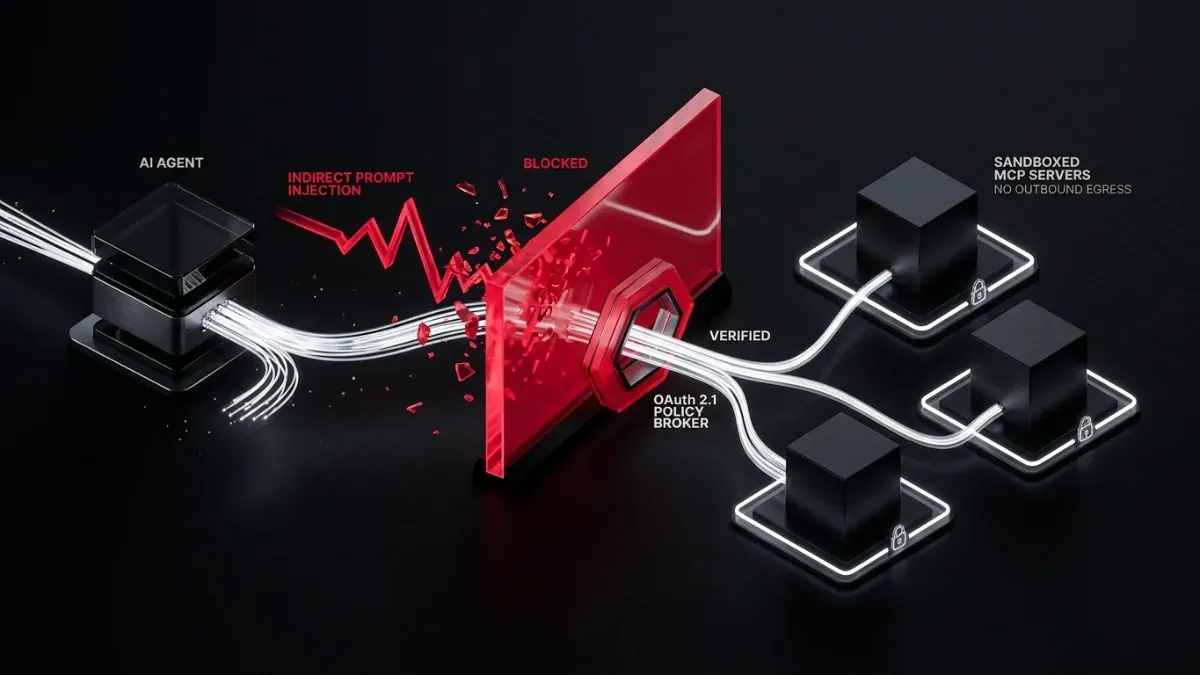 Cybersecurity
Tool poisoning, token passthrough, and unpinned npm installs break agents after launch. Follow this production hardening order to lock down MCP servers.
Anwar Iqbal Dawar
xsypher.com
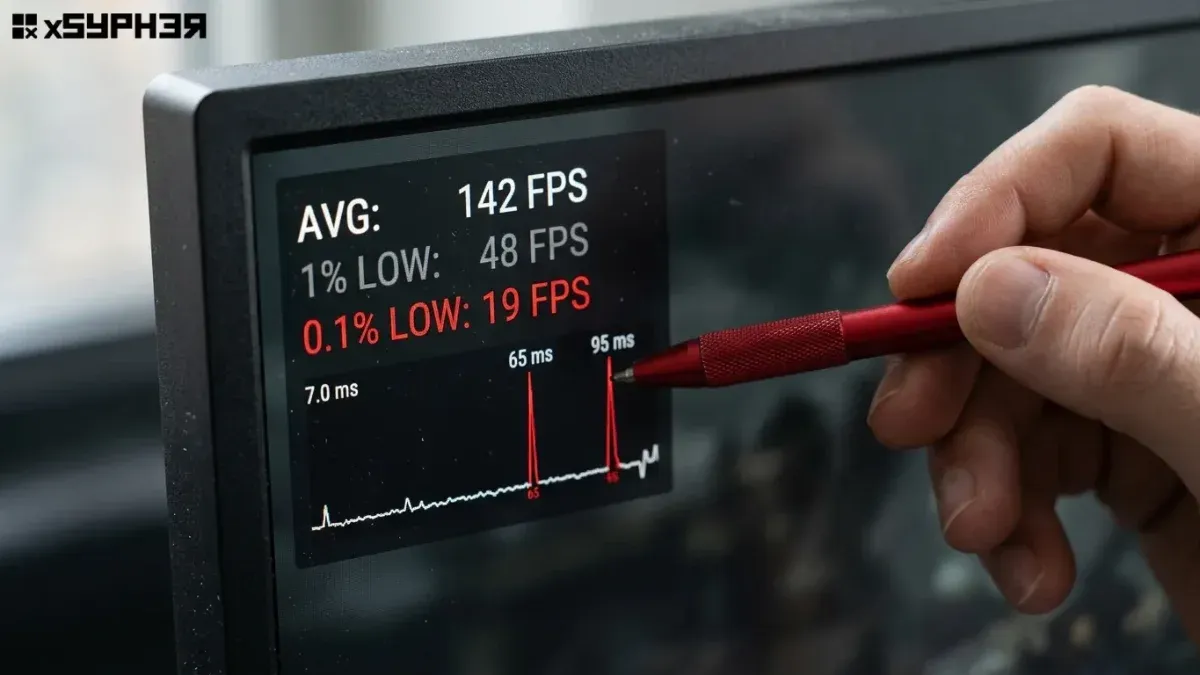 Gaming
A 140 FPS average hides 100 ms frame-time spikes. Use PresentMon to isolate shader compilation, CPU limits, VRAM overflow, and VRR sync stutter.
Ameer Muawiya Khattak
xsypher.com
 Ai
Language models are trained to guess, not to say "I don't know." Here is why they fabricate citations and numbers, plus the validation workflow we use.
Anwar Iqbal Dawar
xsypher.com
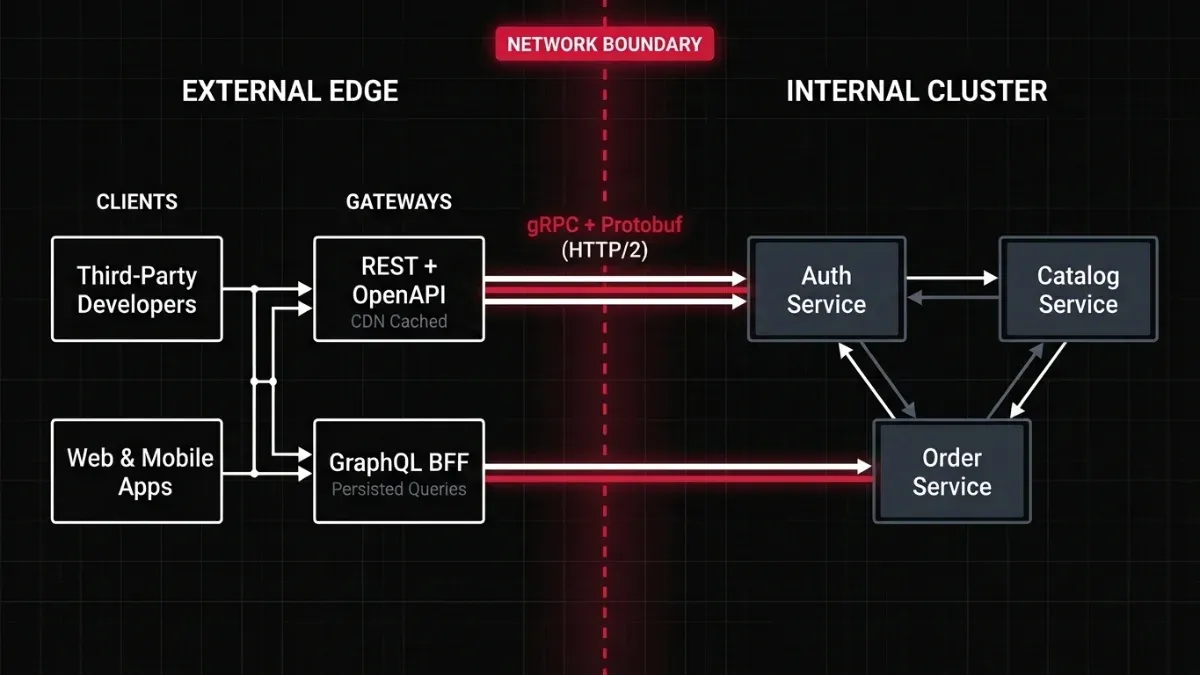 Programming
Each style wins one axis and loses another. How caching, schema change, clients, operations and latency decide it, plus the hybrid most teams end up running.
Anwar Iqbal Dawar
xsypher.com
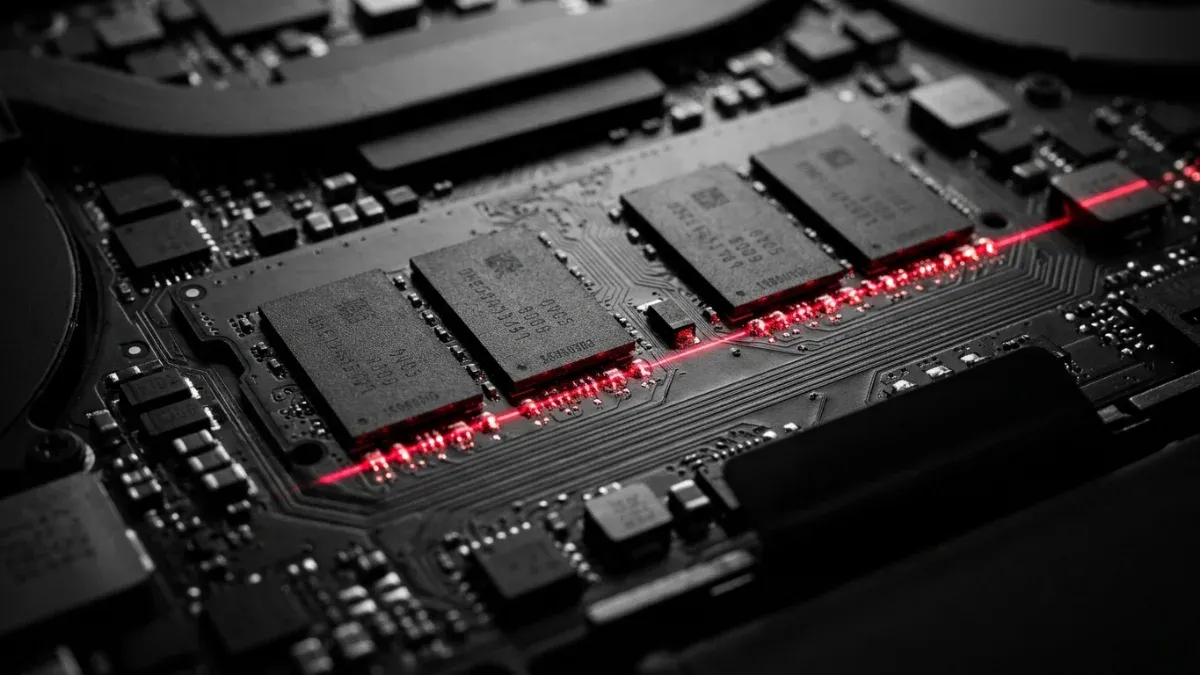 Gadgets
What 8GB, 16GB, and 32GB really mean day to day — and why you may not be able to add more later.
Tariq Jameel
xsypher.com
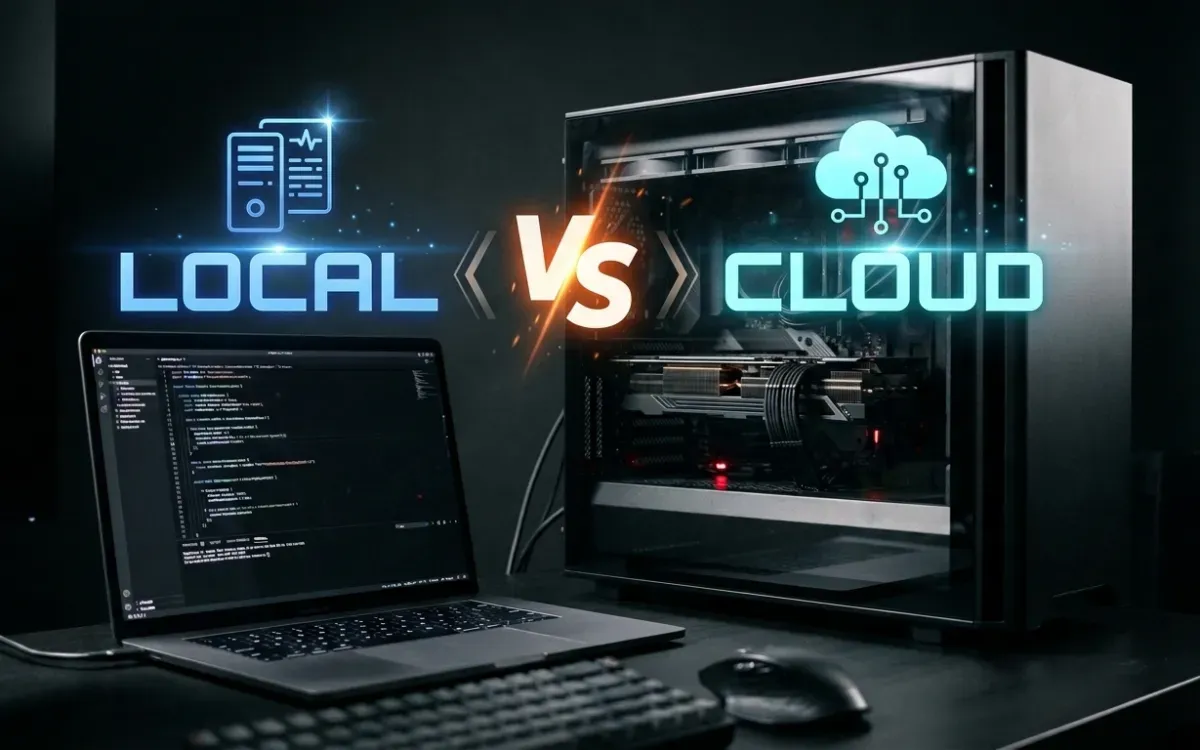 Ai
When keeping models on your own hardware pays off, and when it quietly costs more
Anwar Iqbal Dawar
xsypher.com
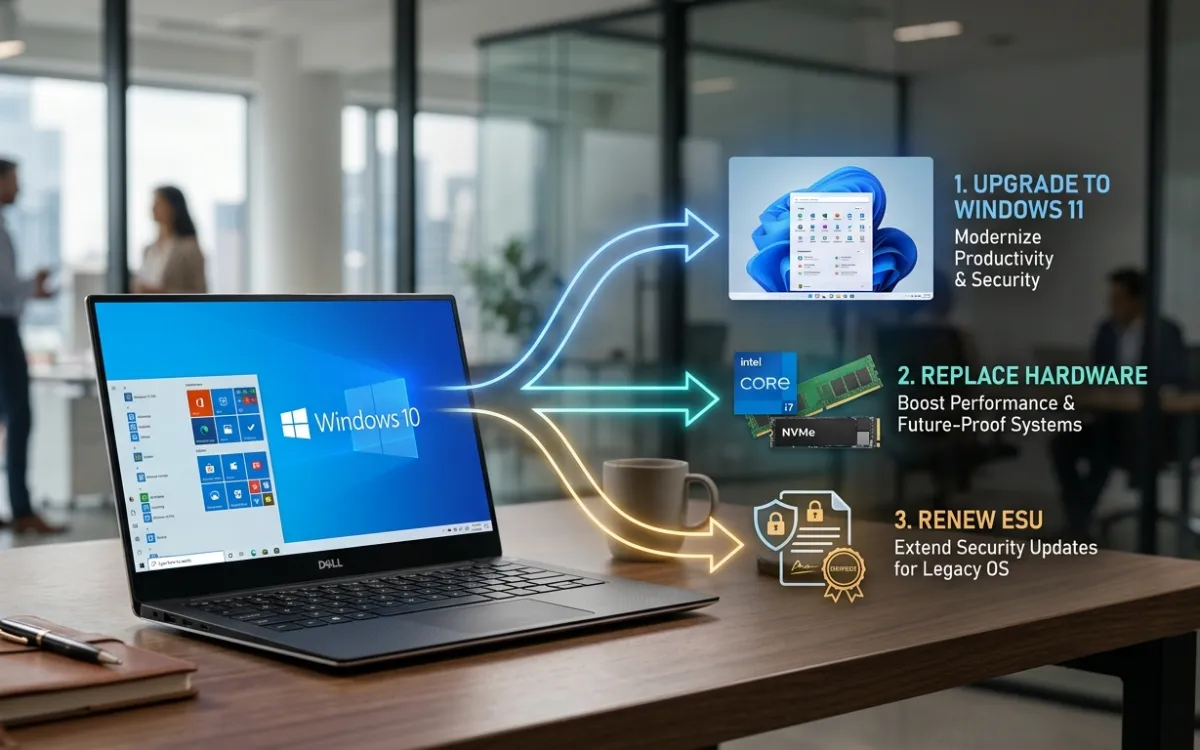 Software
A per-seat decision model for mixed estates choosing between $122-per-device renewals, Windows 11 upgrades and hardware replacement.
Ameer Muawiya Khattak
xsypher.com
 Cybersecurity
A PSIRT runbook that maps detection to the severity decision and the 24-hour, 72-hour and 14-day filings on ENISA's Single Reporting Platform.
Ameer Muawiya Khattak
xsypher.com
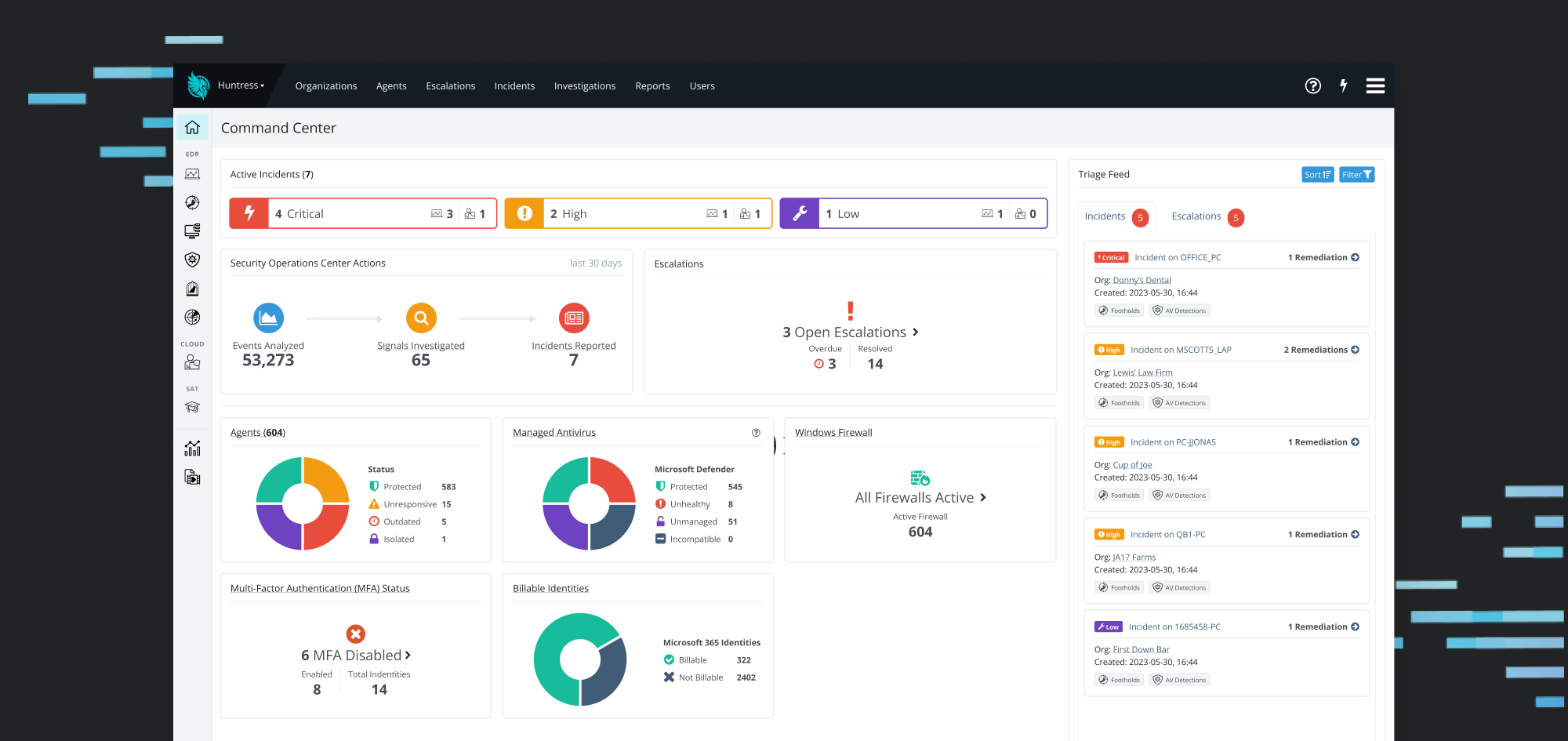 Cybersecurity
A cheaper endpoint license won’t answer a 3 a.m. alert. Response authority, seat minimums and staff capacity change the buying decision.
xSypher CyberOps
xsypher.com
 Ai
We priced Fin, Zendesk, Freshdesk and Help Scout at 300, 1,000 and 3,000 tickets a month. The billing meter you pick matters more than the sticker.
Anwar Iqbal Dawar
xsypher.com